Energy-Saving Cooling Ideas For Summer At Home Now
Thinking about Energy-Saving Cooling Ideas for Summer at Home Now might seem tricky at first. You might wonder where to start or if it’s hard to make a real difference without spending a lot. Don’t worry!
We’ve got a simple plan to help you cool your home without using too much electricity. Get ready to learn easy ways to beat the heat and save some money this summer.
Key Takeaways
- You’ll learn simple ways to keep your home cool without using a lot of energy.
- Discover how small changes can make a big difference in your electricity bill.
- We’ll cover easy tips for windows, doors, and using fans smartly.
- You’ll find out about using nature to help cool your house down.
- We’ll explain how to make sure your air conditioner works its best to save energy.
- Get ready to enjoy a cooler home and lower bills this summer.
Smart Ways to Beat the Summer Heat
Keeping your home cool during hot summer months is important for comfort and can also help you save money. Many people think that staying cool means running the air conditioner all day, which can lead to high electricity bills. This section explores how you can use smart techniques to lower the temperature inside your home without relying too much on energy-guzzling appliances.
We will look at simple things you can do around your house that make a big difference. These ideas are designed to be easy for anyone to try.
Lowering Heat From Windows
Windows are a major source of heat entering your home. Sunlight streaming through glass can quickly warm up rooms. There are several effective ways to block this heat before it gets inside.
- Window Coverings: Using blinds, curtains, or shades can significantly reduce heat gain.
Thick, light-colored curtains or blackout blinds are excellent at reflecting sunlight away from your home. When closed during the hottest parts of the day, they can keep rooms much cooler. Imagine a sunny afternoon; without any covering, that sunlight directly heats your furniture and air.
With a good set of curtains, that heat is bounced back outside, keeping your living space more comfortable. This is a simple step that has a big impact.
- Window Films: Special films can be applied directly to your windows.
These films are designed to reflect solar heat. Some even have a slight tint. They are a more permanent solution than curtains and can be particularly useful for windows that get direct sun for long periods.
They work by stopping a portion of the sun’s rays from passing through the glass and heating up your home. This is a great way to manage heat gain year-round, not just in summer.
- External Shades or Awnings: These block the sun before it even hits the window.
Putting up awnings or shutters on the outside of your windows is very effective. They act like a shield, preventing the sun’s rays from touching the glass. This means less heat is absorbed by the window itself and then transferred into your home.
While this might require a bit more effort to install, the cooling benefits are substantial, especially for south-facing windows that receive the most intense sun.
Sealing Air Leaks
Even small gaps around doors and windows can let hot air in and cool air out. Sealing these leaks is a quick and cheap way to improve your home’s energy efficiency.
- Weatherstripping: This flexible material goes around doors and windows.
Weatherstripping creates a seal when doors or windows are closed. It’s like adding a cushion that stops air from sneaking through. You can buy it in rolls and stick it on yourself.
It comes in different materials like foam or rubber. Properly applied, it can prevent drafts and keep conditioned air inside where you want it.
- Caulking: This putty-like substance fills stationary cracks and gaps.
Caulk is used for areas that don’t move, like where window frames meet the wall. It hardens and creates a solid barrier against air leaks. It’s important to use exterior caulk for outside areas to withstand weather.
This is a more permanent fix than weatherstripping and is very effective for sealing up those little openings that let the outside heat in.
- Door Sweeps: These attach to the bottom of doors.
A door sweep is a strip that hangs down from the bottom of an exterior door. It seals the gap between the door and the floor or threshold. This is crucial because that gap can let in a lot of warm air.
Installing one is usually a simple screw-on job. It helps keep your cool air in and the hot, humid air out, making a noticeable difference.
A study by the Department of Energy found that air leaks are responsible for a significant amount of energy loss in homes. Properly sealing these leaks can save homeowners up to 20% on their heating and cooling costs. This shows that these small steps can have a large economic impact.
Using Fans for Effective Cooling
Fans don’t cool the air itself, but they create a breeze that makes you feel cooler by helping sweat evaporate from your skin. Using fans smartly can reduce your reliance on air conditioning.
Ceiling Fans
Ceiling fans are a great way to circulate air in a room. They can make a room feel several degrees cooler, allowing you to raise your thermostat setting.
- Direction Matters: In summer, fans should spin counter-clockwise.
When a ceiling fan spins counter-clockwise, it pushes air downwards. This creates a cooling downdraft. This breeze on your skin is what makes you feel cooler.
It’s important to remember to switch the direction back in the winter. The correct summer setting helps you save energy by allowing you to set your AC a few degrees higher.
- When to Use Them: Turn fans off when you leave the room.
Fans cool people, not rooms. There’s no need to run them when no one is present. Turning them off when you’re not in the room saves electricity.
It’s a simple habit that adds up over time. Many modern fans have timers, which can also help manage energy use.
Portable Fans
Box fans, tower fans, and oscillating fans can be used to direct airflow where you need it most.
- Strategic Placement: Place fans to create cross-ventilation.
Open windows on opposite sides of the house and place fans to push hot air out of one window and draw cooler air in through the other. This is especially effective in the evening when outdoor temperatures drop. You can also place a fan facing you while you work or relax.
This direct airflow provides immediate comfort.
- Cooling Air with Ice: A DIY trick for extra cooling.
Put a shallow pan of ice in front of a fan. As the ice melts, the fan blows cooler air across it. This can create a makeshift air cooler for a small area.
It’s a simple and cheap way to get some extra chill on a very hot day. The evaporating water from the ice also adds a bit of humidity, which can feel nice in dry heat.
Optimizing Your Air Conditioner
Your air conditioner is likely the biggest energy user for cooling. Keeping it in good shape ensures it runs efficiently.
Regular Maintenance
A well-maintained AC unit uses less energy and cools more effectively.
- Clean or Replace Filters: This is the most important maintenance task.
Dirty air filters restrict airflow. This makes your AC work harder and use more energy. Check your filter monthly and clean or
- Professional Tune-Ups: Schedule yearly checks by a technician.
An HVAC professional can check refrigerant levels, clean coils, and ensure all parts are working correctly. This prevents breakdowns and keeps your unit running at peak efficiency. They can spot potential problems before they become major issues.
Regular professional maintenance can extend the life of your air conditioner.
According to Energy Star, a program from the U.S. Department of Energy, simply cleaning or replacing your air filter regularly can improve your AC’s efficiency by 5% to 15%. Over the summer, this small effort can lead to noticeable savings.
Smart Thermostat Use
Smart thermostats offer advanced features for energy savings.
- Programmable Settings: Set temperatures based on your schedule.
You can program a smart thermostat to raise the temperature when you’re away or asleep. Then, it can cool the house down before you get home or wake up. This avoids running the AC at full blast when it’s not needed.
This simple automation can save a lot of energy without sacrificing comfort.
- Remote Control: Adjust your thermostat from anywhere.
If you forget to adjust the temperature before leaving, you can do it from your phone. This prevents wasted energy. You can also monitor your home’s temperature remotely.
Smart thermostats learn your habits over time and can suggest more efficient settings.
The U.S. Environmental Protection Agency (EPA) states that using a programmable thermostat can save homeowners about 10% a year on their energy bills by reducing heating and cooling costs. Smart thermostats often provide even greater savings through their advanced features.
Harnessing Natural Cooling Methods
Beyond mechanical devices, nature offers ways to keep your home cool.
Ventilation Strategies
Using the natural temperature differences can significantly cool your home.
- Nighttime Cooling: Open windows at night to let cool air in.
When the outside temperature drops below the inside temperature, open windows and doors on opposite sides of your home. This allows cooler night air to flush out the accumulated heat. Close them up in the morning before it gets hot.
This process, sometimes called “whole-house fan ventilation,” is very effective.
- Whole House Fan: A powerful fan installed in the attic.
A whole house fan pulls cooler outside air into your home and pushes hot attic air out through vents. It’s most effective when outdoor air is cooler than indoor air. Used in conjunction with open windows, it can rapidly cool down a house after a hot day.
It uses much less energy than an air conditioner.
Landscaping for Shade
Plants can provide natural shade and reduce the heat absorbed by your home.
- Trees: Deciduous trees planted on the south and west sides of your home are ideal.
These trees provide shade during the hot summer months when they have leaves. In the winter, they lose their leaves, allowing sunlight to warm your home. This is a double benefit.
A mature tree can shade a significant portion of a house, reducing cooling needs by up to 30%.
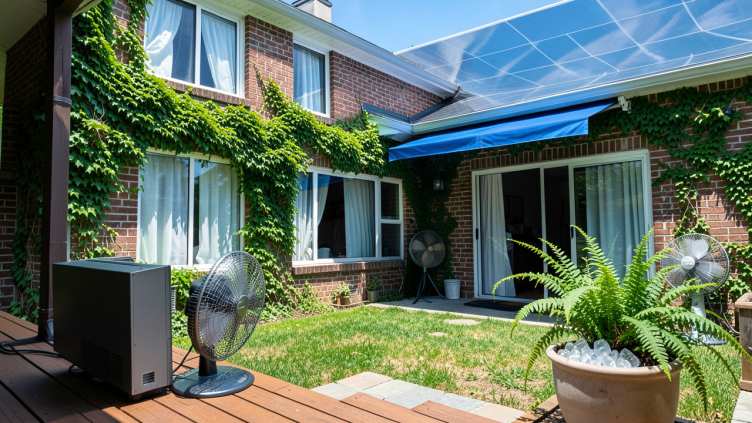
- Vines and Shrubs: Planting them around your home can also help.
Vines on trellises or shrubs planted close to walls can create a buffer zone. This buffer absorbs some of the sun’s heat before it reaches your home’s exterior. This added layer of insulation from plants helps keep the interior cooler.
Studies have shown that strategically planted trees can reduce air conditioning costs by as much as 10% to 50%. This highlights the power of using nature to cool your home.
Energy-Saving Cooling Ideas for Summer at Home Now: A Quick Checklist
Let’s bring together the most impactful strategies. These are the actions you can take right away to start saving energy and stay cooler.
- Seal Up Leaks: Use weatherstripping and caulk around windows and doors.
This is a foundational step. Any gap allows precious cool air to escape and hot air to enter. By sealing these, you create a more insulated environment.
It’s a low-cost, high-impact activity. Make sure to check all potential entry points for drafts, including around pipes and electrical outlets.
- Manage Window Heat: Use blinds, curtains, or window films.
During sunny hours, keep these coverings closed. Light colors are best for reflecting heat. This simple act prevents direct solar radiation from heating up your rooms.
Think of them as your home’s natural sunglasses, keeping the inside cooler.
- Use Fans Wisely: Direct airflow and utilize ceiling fans in occupied rooms.
Fans make you feel cooler by increasing evaporation. Use them to supplement your AC or as a primary cooling method when temperatures are moderate. Remember to turn them off when you leave the room to save electricity.
Proper direction on ceiling fans is key.
- Maintain Your AC: Clean filters regularly and consider professional check-ups.
A clean AC unit works less, uses less energy, and cools better. This is crucial for efficient cooling. Don’t neglect the filters; they are your first line of defense for good airflow.
- Leverage Natural Cooling: Open windows at night and plant shade trees.
These methods use the environment to your advantage. Nighttime ventilation can significantly reduce the heat built up during the day. Plants offer a natural, aesthetic cooling solution.
Consider this scenario: A family decides to implement a few of these tips. They start by adding weatherstripping to their most drafty doors and windows and commit to closing their blackout curtains during the hottest part of the day. They also make sure their ceiling fan is set to spin counter-clockwise.
After a month, they notice their energy bill is about 15% lower than the previous summer, and their home feels more consistently comfortable, even when the outside temperature is high.
Frequently Asked Questions
Question: How can I keep my attic cool to reduce heat transfer to the house?
Answer: Ensure your attic has proper ventilation, like soffit and ridge vents, to allow hot air to escape. You can also add more insulation to your attic floor. Reflective barriers installed under your roof decking can also help bounce heat away.
Question: What is the best time to open windows for cooling?
Answer: Open windows when the outside air is cooler than the inside air. This is typically in the early morning and late evening, especially during summer.
Question: Do smart blinds help save energy?
Answer: Yes, smart blinds can be programmed to open and close automatically at optimal times to manage sunlight and heat gain, contributing to energy savings.
Question: How often should I change my air conditioner filter?
Answer: It’s generally recommended to check your air conditioner filter every month and replace or clean it every 1 to 3 months, depending on usage and air quality.
Question: Can plants really make a difference in keeping my house cool?
Answer: Yes, strategically planted trees and vines provide shade, which can significantly reduce the amount of solar heat absorbed by your home’s walls and roof.
Wrap Up
You now have many simple, practical Energy-Saving Cooling Ideas for Summer at Home Now. By managing windows, sealing leaks, using fans smartly, and maintaining your AC, you can achieve a cooler home. Embracing natural cooling methods further enhances your comfort while lowering your bills.
Start with one or two ideas and enjoy a more comfortable and energy-efficient summer.