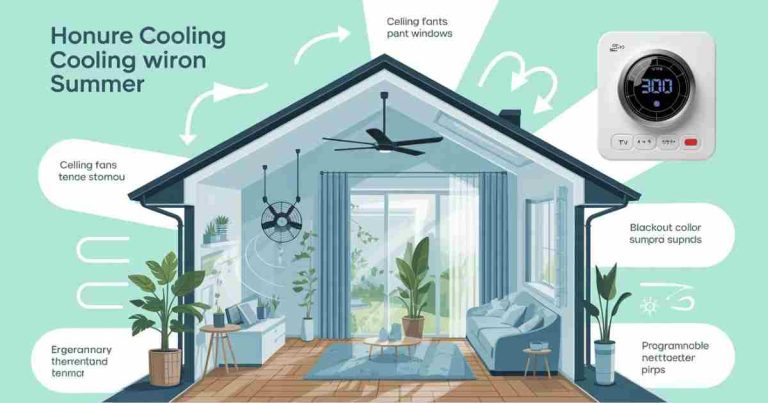
Summer Bedroom Ideas To Stay Cool And Sleep Better
Feeling too hot to sleep well when summer arrives can be a real pain. Lots of people find that coming up with Summer Bedroom Ideas to Stay Cool and Sleep Better feels tricky, especially when they’re just starting to think about it. You might worry about complicated changes or expensive gadgets.
But don’t let that stop you! We’ve got some super simple, step-by-step ideas that will make your bedroom a cool, comfy haven. Get ready to discover how easy it is to beat the heat and sleep soundly all season long.
Key Takeaways
- You will learn simple ways to lower your bedroom temperature naturally.
- Discover how to choose the right bedding for warm nights.
- Understand the role of airflow and ventilation in keeping cool.
- Find out about gentle ways to block out heat from the sun.
- Learn how to create a relaxing sleep environment even when it’s hot.
- Get tips on what to drink and when to sleep for better rest.
Creating a Cooler Sleep Space
Making your bedroom a cool spot in summer is key to sleeping well. When the heat outside climbs, our bodies can struggle to cool down enough to fall asleep. This section will explore easy changes you can make to your room to bring the temperature down.
We will look at everything from how you dress your windows to the kind of fabrics you use on your bed. The goal is to make your room a little sanctuary that feels refreshing, even on the hottest days.
Window Treatments for Shade
Windows let in a lot of sun, and that sun brings heat. Think of your windows like doors for sunlight. If you want your room to stay cool, you need to control what comes through these doors.
Simple window coverings can make a big difference in how hot your room gets.
One good option is using blackout curtains. These are made of thick material that blocks out almost all light. When the sun is beating down, these curtains act like a shield, stopping the heat from entering your room in the first place.
They don’t just block light; they also block heat.
Another helpful thing is using blinds. Light-colored blinds reflect sunlight away. You can tilt the slats to let in some light but keep the direct sun rays out.
This stops the room from heating up like an oven.
Here are some ways to use your windows to your advantage:
- Blackout Curtains: These are a favorite for a reason. They are designed to stop light and heat. Hanging them up is as simple as putting up regular curtains. They are great for people who need a dark room to sleep, and they also help keep the heat out significantly. Many come in light colors which can also help reflect heat.
- Light-Colored Blinds: Blinds, especially those in white or light pastels, can bounce sunlight back outside. You can buy simple pull-down blinds or slat blinds. They offer flexibility in controlling how much light and heat enters. Adjusting them throughout the day can help maintain a cooler room.
- Reflective Window Film: This is a more permanent solution. You stick a film onto your window glass. It’s often shiny and reflects a lot of the sun’s rays. It can make your room feel much cooler by preventing heat from getting in. It’s a bit like giving your windows sunglasses.
- DIY Solutions: Even simple things like hanging a light-colored sheet or a thermal blanket over your window can help. While not as stylish as curtains or blinds, they can offer immediate relief by creating a barrier against the sun’s warmth. This is a budget-friendly option that is easy to set up.
Using these window treatments effectively can lower your room temperature by several degrees. This makes a noticeable difference in how comfortable you feel. It’s a practical first step towards a cooler bedroom.
Improving Airflow and Ventilation
Good airflow is super important for keeping a room cool. When air moves around, it helps carry away heat. Stagnant, hot air can make you feel stuffy and uncomfortable.
We’ll look at easy ways to get the air moving in your bedroom.
One of the simplest things to do is open your windows at the right times. In the morning and evening, when the outside air is cooler than inside, opening windows can let that cool air in. You can even create a cross-breeze.
This happens when you open windows on opposite sides of your room or house. The air flows through, pushing the hot air out.
Fans are also your best friends during hot weather. A ceiling fan can move a lot of air. Make sure it’s set to spin counter-clockwise in the summer.
This pushes air down and creates a cooling breeze. A floor fan or desk fan can also help. You can place it near your bed to blow air directly on you.
Consider using fans in combination with open windows. If you have a fan blowing out a window, it can help pull hot air from the room outside. If you have a fan blowing in an open window, it can bring cooler night air inside.
This simple trick can make a big difference.
Here are some ways to boost airflow:
- Cross-Ventilation: Open windows and doors on opposite sides of your home or room. This creates a flow of air that pushes hot air out and pulls cooler air in. It’s a natural way to refresh your living space without using energy. This works best when the outside temperature is lower than inside.
- Ceiling Fans: Ensure your ceiling fan is rotating counter-clockwise during the summer. This directs air downwards, creating a cooling effect. It makes the air feel several degrees cooler, even though it doesn’t actually lower the room temperature.
- Portable Fans: Use desk fans, box fans, or floor fans to direct airflow where you need it most. You can place them strategically to create a personal breeze or to help move air around the room. Some people even place a bowl of ice water in front of a fan for extra cooling.
- Smart Fan Use: Turn fans on when you are in the room, and turn them off when you leave. Fans cool people, not rooms. Running them constantly when no one is there wastes energy. Use them to feel cooler when you need it.
By letting fresh air in and moving it around, you can make your bedroom feel much more comfortable. This is a simple but effective way to manage heat.
Choosing the Right Bedding
What you sleep on can make a huge difference in how cool you feel. Heavy, thick bedding can trap heat. Lighter, breathable materials are much better for summer nights.
We will talk about fabrics and types of bedding that help you stay cool.
Cotton is a popular choice for a reason. It’s natural and breathable, meaning air can pass through it easily. This helps to wick away moisture from your skin, keeping you drier and cooler.
Look for high-quality cotton sheets like percale or sateen. Percale is known for its crisp, cool feel, while sateen is a bit softer and smoother.
Linen is another excellent option for summer. It’s a very breathable fabric that gets softer with every wash. Linen is also great at absorbing moisture and drying quickly.
It has a natural cooling effect. While it can be a bit more expensive, it’s a durable material that lasts a long time.
When it comes to blankets and duvets, think lightweight. Instead of a heavy comforter, opt for a light cotton blanket or a coverlet. Some duvets have special cooling covers made from materials like bamboo or Tencel, which are also very breathable.
Here’s what to look for in summer bedding:
- Cotton Sheets: Opt for 100% cotton sheets, especially those with a percale weave. Percale is known for its crisp, cool feel, making it ideal for hot weather. It allows for good air circulation.
- Linen Sheets: Linen is a fantastic natural fiber that breathes well and gets softer over time. It has natural cooling properties and can absorb moisture effectively. It’s a great choice for those who tend to get very warm at night.
- Bamboo or Tencel Fabrics: These materials are very smooth and have excellent moisture-wicking properties. They feel cool to the touch and are a good alternative to cotton or linen. They also have a luxurious feel.
- Lightweight Blankets and Coverlets:
- Avoid Synthetic Materials: Polyester and microfiber can trap heat and moisture, making you feel hotter. Stick to natural, breathable fibers whenever possible.
Choosing the right bedding is a simple change that can dramatically improve your sleep comfort during warm nights.
Cooling Down Your Body Directly
Sometimes, even if your room is a bit cooler, your body might still feel too warm to relax. This part talks about easy ways to cool your body down directly. These are simple actions you can take just before bed or during the night.
Taking a cool shower or bath before bed can help lower your body temperature. It doesn’t have to be ice-cold; just a lukewarm shower is often enough to make a difference. This helps signal to your body that it’s time to wind down and prepare for sleep.
Avoid very hot showers, as they can actually raise your body temperature.
Staying hydrated is also very important. Drinking water throughout the day helps your body regulate its temperature. However, try not to drink too much right before bed, as you might need to get up during the night.
Sip on water when you feel thirsty.
Wearing light, loose-fitting pajamas is another simple trick. Cotton or linen sleepwear is best because these fabrics allow air to circulate. Avoid tight clothing or synthetic materials that can make you feel hotter and more uncomfortable.
Sleeping naked is also an option for some people and can help with cooling.
Here are some ways to cool your body:
- Cool Shower or Bath: A warm (not cold) shower or bath about an hour before bed can help lower your core body temperature. This prepares your body for sleep by creating a pleasant cooling sensation.
- Hydration: Drink plenty of water during the day. Keep a glass of cool water by your bed for sips if needed, but avoid excessive intake right before sleep. Staying hydrated helps your body’s natural cooling system.
- Light Sleepwear: Choose loose-fitting pajamas made from breathable natural fibers like cotton or linen. This allows air to circulate around your skin and helps wick away sweat.
- Cooling Pillow: Consider using a cooling pillow or a pillowcase made from gel-infused or breathable materials. You can also place a regular pillow in the freezer for a short time before bed.
- Damp Cloth: A damp cloth placed on your forehead or the back of your neck can provide quick relief from feeling overheated.
These simple steps focus on your body’s needs and can help you feel more comfortable and ready for a good night’s sleep.
Smart Sleep Habits for Summer Nights
Beyond room temperature and bedding, how you approach sleep itself can affect how well you rest in the summer. This section covers good habits that support better sleep when the weather is warm. Small adjustments to your routine can have a big impact.
Try to stick to a regular sleep schedule, even on weekends. Going to bed and waking up around the same time helps regulate your body’s internal clock, or circadian rhythm. This makes it easier to fall asleep and wake up feeling refreshed, regardless of the season.
Limit exposure to screens before bed. The blue light emitted from phones, tablets, and computers can interfere with the production of melatonin, a hormone that helps you sleep. Try to put screens away at least an hour before you plan to sleep.
Avoid heavy meals and alcohol close to bedtime. Heavy foods can make your body work harder to digest, potentially raising its temperature. Alcohol might make you feel sleepy at first, but it can disrupt sleep later in the night.
Here are some smart sleep habits:
- Consistent Schedule: Go to bed and wake up at roughly the same time every day. This helps set your body’s internal clock for better sleep, even when it’s warm outside.
- Screen Time Limits: Avoid bright screens from phones, tablets, and TVs for at least an hour before bed. The blue light can keep you awake.
- Mindful Eating and Drinking: Avoid large meals or sugary snacks close to bedtime. Limit caffeine and alcohol, as they can interfere with sleep quality.
- Relaxing Routine: Develop a calming pre-sleep routine. This could include reading a book, gentle stretching, or listening to quiet music. This signals to your body that it’s time to relax.
- Consider Napping Wisely: If you need to nap during the day, keep it short (20-30 minutes) and earlier in the afternoon. Long or late naps can make it harder to sleep at night.
By focusing on these habits, you can create a better sleep environment and improve the quality of your rest during hot summer nights.
Maintaining a Cool Bedroom Environment
Keeping your bedroom cool consistently requires a few ongoing strategies. It’s not just about one-time changes; it’s about creating a cool space that you can maintain throughout the summer. This section will cover simple, continuous ways to manage heat in your room.
Using fans effectively is key. As mentioned before, ceiling fans help circulate air. Portable fans can be used to create a breeze.
You can also place a fan strategically to draw cooler air in from another room or to push warmer air out. Running fans during the hottest parts of the day helps prevent heat buildup.
Consider using smart home devices for temperature control if possible. Smart thermostats can help regulate your home’s temperature efficiently. Some smart fans can even be programmed to turn on and off at certain times or when the temperature reaches a specific point.
Keep heat-generating electronics to a minimum. Devices like TVs, computers, and even some lights can emit heat. Try to turn them off when not in use, especially in the bedroom.
Here are ongoing strategies for a cool room:
- Consistent Fan Usage: Keep fans running at strategic times to maintain airflow and prevent heat from building up. Even a low setting can help.
- Temperature Monitoring: Use a simple room thermometer to keep an eye on the temperature. This helps you know when to adjust fans or window coverings.
- Minimize Heat Sources: Turn off unused lights and electronics. These items can add noticeable heat to a room.
- Regular Cleaning: Dust can trap heat. Keeping your room clean and dust-free can help a little with heat management.
- Consider a Cooling Mattress Pad: For extra cooling, a special mattress pad designed to draw heat away from your body can be very effective. These are often made from special gel or breathable fabrics.
By implementing these regular practices, you can ensure your bedroom remains a comfortable place to sleep throughout the entire summer season.
Frequently Asked Questions
Question: What is the best time to open windows for cooling?
Answer: The best time to open windows is during the early morning and late evening, or overnight, when the outside air is cooler than the air inside your home. This allows cooler air to enter and flush out warmer air.
Question: Are blackout curtains better than blinds for keeping a room cool?
Answer: Blackout curtains are generally more effective at blocking heat because they cover the entire window and are made of thick, light-blocking material. Blinds can be effective too, especially if they are light-colored and angled correctly to reflect sunlight.
Question: How often should I change my bedding in the summer?
Answer: It’s a good idea to change your bedding at least once a week during the summer to keep things fresh and hygienic, as you may sweat more when it’s hot.
Question: Can drinking cold water before bed help me sleep better in the heat?
Answer: While staying hydrated is important, drinking very cold water right before bed might not be ideal as it can sometimes disrupt sleep. Drinking water at room temperature or slightly cool is usually better.
Question: What are some easy ways to cool down my pillow?
Answer: You can place your pillow in a plastic bag and put it in the freezer for about 30 minutes before bedtime, or use a cooling pillowcase made from gel-infused materials or breathable fabrics.
Wrap Up
Keeping your bedroom cool for better sleep in summer is achievable. By using window treatments, improving airflow, choosing light bedding, and adopting smart habits, you can create a more comfortable sleeping space. Even small changes make a big difference in beating the heat and getting the rest you need.