How To Cool A Hot House Without Ac: 9 Proven Tips
To cool a hot house without AC, block daytime sun with curtains, open windows only when outside air is cooler, create cross-ventilation, run fans strategically, use exhaust fans, reduce oven use, switch off heat-producing electronics, seal air leaks, add shade outside, and use light, breathable bedding. These steps lower heat gain and improve airflow safely.
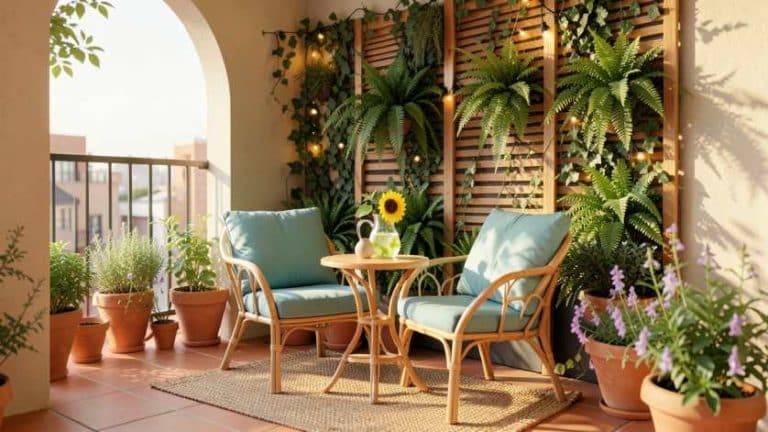
Summer patio decor ideas for small outdoor spaces should focus on scale, comfort, and flexible use. Choose foldable seating, a slim table, outdoor rug, vertical planters, shade, and layered lighting to make the area feel intentional without crowding it.
Weather-resistant textiles and compact storage help the space stay practical through heat, rain, and everyday use.
Feeling the heat when the air conditioner is out? It can be tough, especially when you’re not sure what to do. Many people find How to Cool a Hot House Without AC: 9 Proven Tips a bit confusing at first.
Don’t worry, we’ve got you covered! We’ll walk through simple steps to make your home feel cooler, even on the hottest days. Get ready for some easy ideas to beat the heat.
Key Takeaways
- You’ll learn simple ways to lower your home’s temperature without using air conditioning.
- Discover how to use natural airflow to keep your house cool.
- Find out smart ways to block out the sun’s heat.
- Understand how to use water to cool your space.
- Learn about plants that can help cool your home.
- Discover how to make your home more efficient at staying cool.
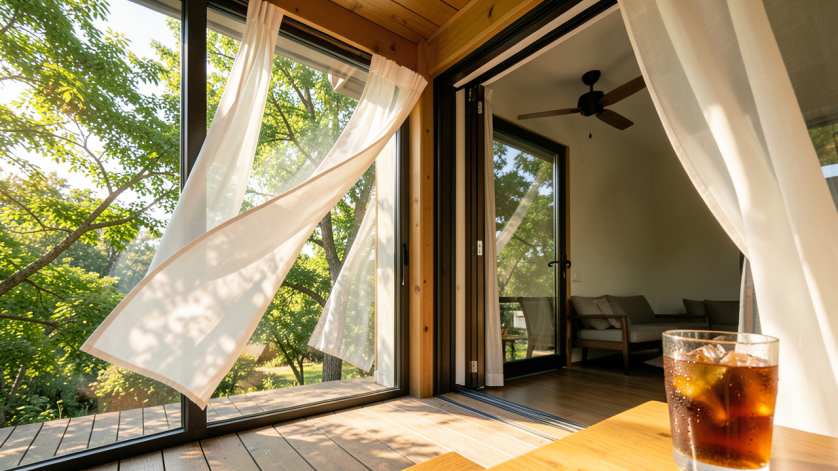
Letting the Breeze In: Using Natural Airflow
One of the best ways to cool a house without AC is by using the natural movement of air. This involves understanding how air moves and using it to your advantage.
By opening and closing windows strategically, you can create a cooling cross-breeze that circulates air throughout your home.
It’s like giving your house a breath of fresh air. This section will guide you through the best times and ways to open windows to maximize cooling.
Creating Cross-Ventilation
Cross-ventilation is all about getting air to flow through your house from one side to the other. You need to open windows on opposite sides of your home. This creates a pathway for air to enter and exit, pushing out the hot air inside.
- Open windows on the side of your house that is facing the wind. This allows the fresh, cooler air to come in.
- On the opposite side of your house, open windows or doors. This is where the hot air inside will escape.
This simple technique can significantly lower the temperature inside your home. It’s a free and easy way to make a big difference. Think of it like opening both ends of a tunnel to let the wind rush through.
Strategic Window Opening Times
Timing is everything when it comes to using natural airflow. You want to let in the cool air and keep out the hot air. This means being smart about when you open and close your windows.
- Early Morning and Late Evening: Open all your windows and doors during these cooler parts of the day. This is when the outside air is typically at its lowest temperature. Let that cool air fill your home.
- During the Hottest Part of the Day: Close all windows and doors tightly. This traps the cooler air you let in earlier and keeps the hot sun from heating up your home.
This cycle of opening and closing windows helps maintain a more comfortable temperature throughout the day and night. It requires a little attention, but the results are worth it.
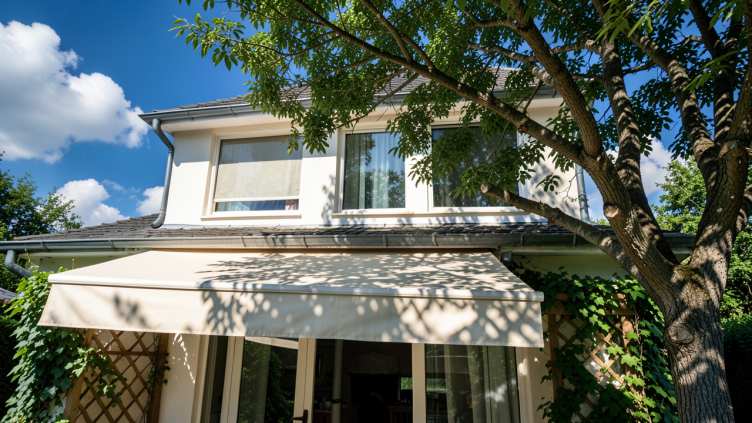
Blocking the Sun’s Rays: Shade Strategies
The sun is a major source of heat in your home. When its rays hit your windows and walls, they warm everything up. Blocking this direct sunlight is a key part of How to Cool a Hot House Without AC: 9 Proven Tips.
We’ll look at ways to keep the sun’s heat outside where it belongs. This involves using curtains, blinds, and even plants to create shade.
Using Curtains and Blinds
Your windows are like gateways for sunlight. Covering them effectively can make a huge difference. Thick curtains and well-placed blinds can stop a lot of heat from entering your home.
- Light-Colored Curtains: Opt for curtains that are light in color. These reflect sunlight rather than absorbing it.
- Blackout Curtains: For maximum heat blocking, blackout curtains are excellent. They are designed to keep light out, and they do a great job of keeping heat out too.
- Blinds: Close your blinds during the day, especially on windows that get direct sun. Angle the slats upwards to bounce light back outside.
This is a simple yet powerful way to reduce the heat gain in your home. It’s like putting on a hat to keep your head cool.
External Shading Options
While interior coverings help, blocking the sun before it even hits your windows is even more effective. External shading stops the heat from getting to the glass in the first place.
- Awnings: Installing awnings over your windows is a great way to shade them. They are especially helpful for south-facing windows that get a lot of sun.
- Shade Sails: These fabric structures can be set up in your yard to shade windows and outdoor areas. They are flexible and can be moved as the sun’s position changes.
- Exterior Shutters: Shutters can be closed to block direct sunlight. Some are designed specifically for heat reduction.
These solutions might require a bit more effort or cost, but they offer significant long-term benefits for keeping your home cool.
Harnessing the Power of Water: Evaporative Cooling
Water has a natural cooling effect when it evaporates. You can use this principle to your advantage to cool down the air in your home. This method is particularly effective in dry climates.
It’s a clever trick that uses a simple scientific process.
DIY Evaporative Coolers
You can create a simple evaporative cooler with just a few household items. This is a great way to bring down the temperature in a small area.
- The Fan and Ice Method: Place a shallow bowl or pan filled with ice in front of a portable fan. As the ice melts and the fan blows air over it, the evaporating water cools the air.
- Damp Cloths: Hang damp cloths or sheets in front of open windows or in doorways. As the water evaporates, it will cool the incoming air.
This method adds moisture to the air while cooling it. It’s a much gentler way to cool down than direct air conditioning.
Misting Fans and Plants
Using misting fans or strategically placed plants can also contribute to evaporative cooling. Misting fans spray a fine mist of water that evaporates, cooling the air around you. Plants also release water vapor through a process called transpiration, which can help lower temperatures.
- Misting Fans: These are available commercially and can provide a significant cooling effect, especially on patios or in rooms with good airflow.
- Houseplants: Grouping several houseplants together can create a slightly cooler microclimate. Ensure they are watered well, as this fuels the transpiration process.
These methods are excellent for personal cooling and can make a noticeable difference in comfort.
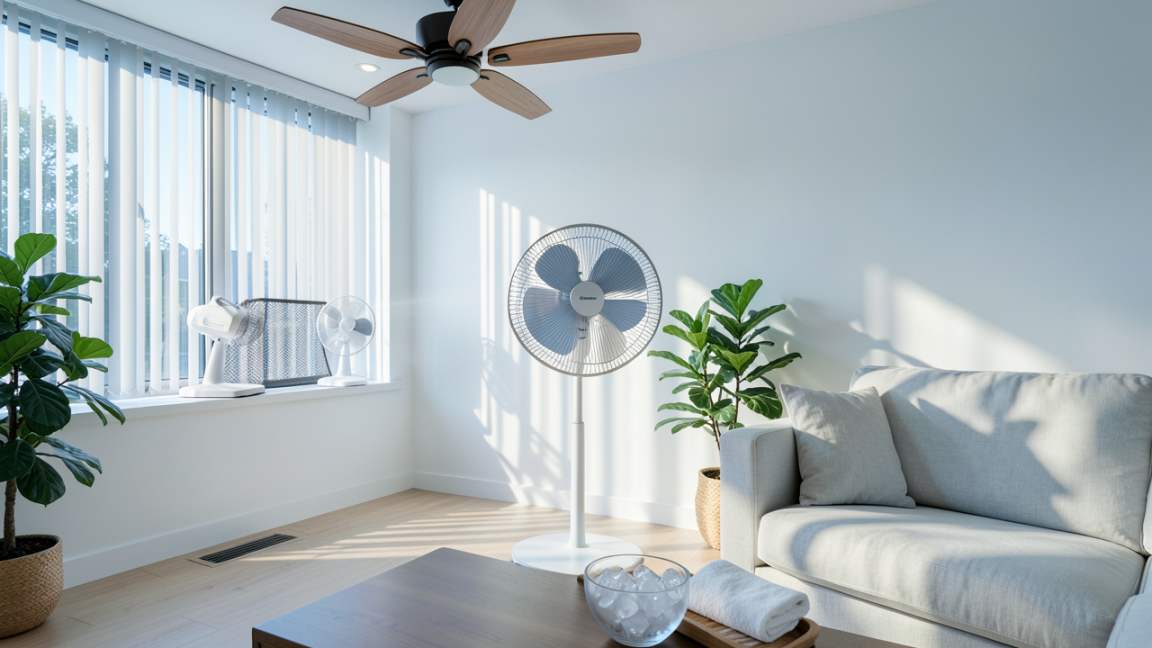
Cooling Down with Fans: Smart Strategies
Fans are your best friends when you don’t have AC. They don’t actually lower the air temperature, but they create a wind chill effect that makes you feel cooler. Using fans smartly can greatly improve your comfort.
This section covers how to get the most out of your fans.
Using Ceiling Fans Effectively
Ceiling fans can move a lot of air and help circulate it throughout a room. The key is to make sure they are spinning the right way for cooling.
- Counter-Clockwise Rotation: In the summer, you want your ceiling fan to spin counter-clockwise. This pushes air straight down, creating a cooling breeze.
- Setting the Right Speed: Experiment with different fan speeds to find what’s most comfortable for you. A medium to high setting is usually best for cooling.
Remember, fans cool people, not rooms. Turn them off when you leave the room to save energy.
Portable Fans for Targeted Cooling
Portable fans, like box fans or oscillating fans, are great for directing cool air right where you need it. They are versatile and can be moved from room to room.
- Window Fan Placement: Place a box fan in a window facing outward during the evening or night. This helps to pull hot air out of your home. During the day, you can place it facing inward to bring in cooler outside air if the outside temperature is lower.
- Creating Airflow Paths: Use portable fans to move air from cooler areas of your house to warmer areas. You can also use them to create a gentle breeze in specific spots where you’re sitting or sleeping.
Combining ceiling fans and portable fans creates a powerful system for circulating air and making your home feel much cooler.
Reducing Internal Heat Sources
A lot of heat inside your home comes from things you use every day. Appliances, lighting, and even cooking can add to the temperature. By being mindful of these heat sources, you can reduce the overall heat load.
This is a crucial part of understanding How to Cool a Hot House Without AC: 9 Proven Tips.
Smart Cooking and Appliance Use
The kitchen can become a major heat generator. Making a few simple changes can help keep it cooler.
- Cook Outdoors: Whenever possible, use your grill or an outdoor cooking setup. This keeps the heat out of your house entirely.
- Use Smaller Appliances: Opt for microwaves, toaster ovens, or slow cookers instead of the main oven. These generate less heat.
- Cook in the Morning or Evening: If you must use your oven or stove, do it during the cooler parts of the day.
- Unplug Electronics: Many electronics generate heat even when they are turned off but still plugged in. Unplug them when not in use.
Even small changes can add up to a noticeably cooler home.
Lighting and Electronics Management
Traditional light bulbs, especially incandescent ones, produce a lot of heat. So do many electronic devices.
- Switch to LED Bulbs: LED lights use much less energy and produce very little heat. Replacing your old bulbs is a simple yet effective step.
- Turn Off Lights: Be mindful of turning off lights when you leave a room. Natural light is best during the day if it’s not direct sun.
- Limit Use of Heat-Generating Devices: Reduce time spent using computers, gaming consoles, or other electronics that can warm up a room.
Managing these everyday heat sources can significantly impact your home’s internal temperature.
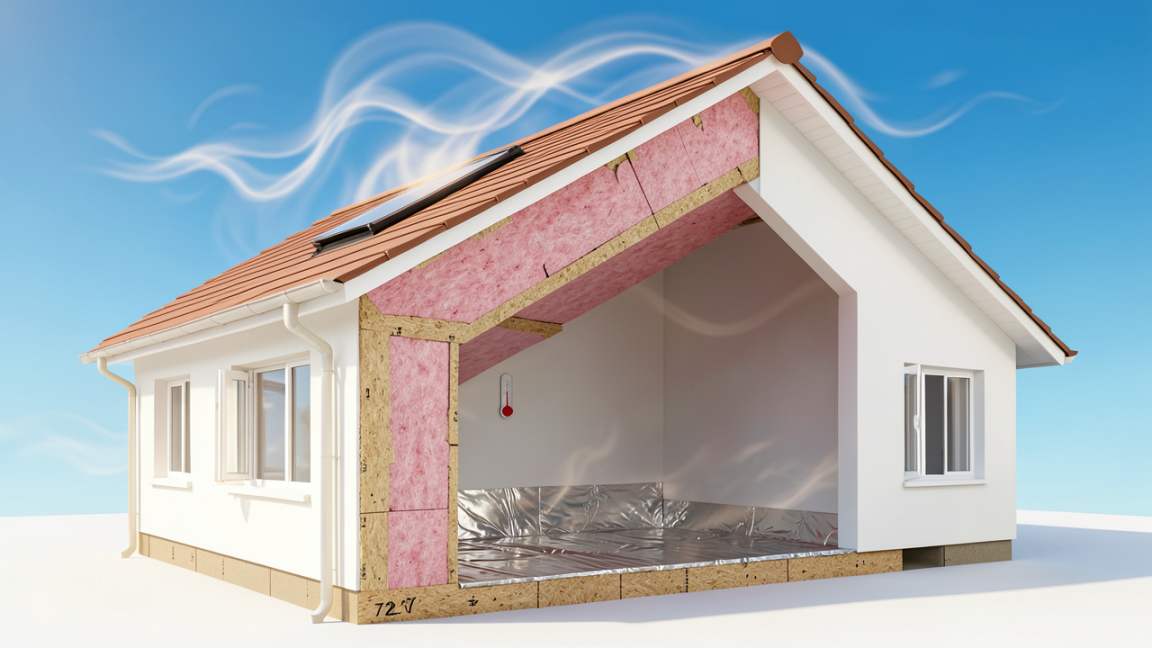
Insulation and Ventilation for Efficiency
Good insulation and proper ventilation are key to keeping your home comfortable year-round, but they are especially important for cooling.
Insulation acts like a blanket, keeping heat out in the summer and in during the winter. Ventilation helps to remove trapped heat.
Checking and Improving Insulation
Insulation works by slowing down heat transfer. In the summer, it prevents the hot outside air from getting into your cool home. In the winter, it keeps the warm inside air from escaping.
- Attic Insulation: This is often the most critical area for insulation. Heat rises, so a well-insulated attic is vital for keeping the top floors cooler.
- Wall and Floor Insulation: Ensure your walls and floors are also properly insulated to prevent heat transfer from the outside or from unconditioned spaces.
- Seal Air Leaks: Check for drafts around windows, doors, and any openings. Sealing these gaps with caulk or weatherstripping prevents air from escaping or entering.
While adding insulation might seem like a bigger project, it pays off by making your home more energy-efficient and comfortable, reducing the need for active cooling.
Ventilating Your Attic
Attics can get incredibly hot, acting like a giant solar collector. Proper attic ventilation allows this trapped heat to escape.
- Soffit and Ridge Vents: Soffit vents (under the eaves) allow cool air to enter the attic, while ridge vents (at the peak of the roof) allow hot air to escape. This creates a natural airflow cycle.
- Gable Vents: These vents located on the gable ends of a house can also help with air circulation, especially in older homes.
- Attic Fans: Powered attic fans can actively pull hot air out of the attic, speeding up the ventilation process.
A well-ventilated attic keeps your living space below it cooler, reducing the demand on your cooling efforts downstairs.
Smart Landscaping for a Cooler Home
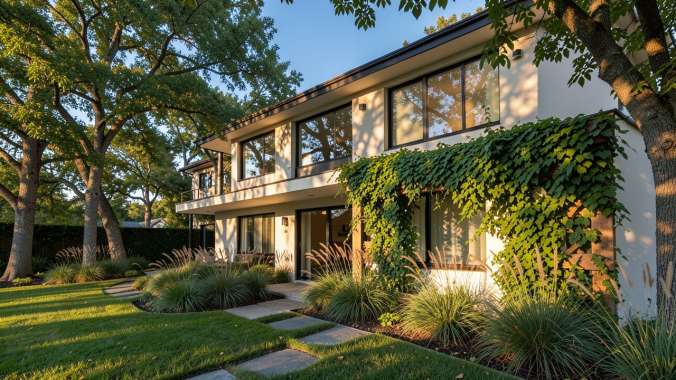
The plants around your home can play a surprising role in keeping it cool. Trees, shrubs, and vines can act as natural shade providers and even help cool the air through transpiration. This is an often-overlooked aspect of How to Cool a Hot House Without AC: 9 Proven Tips.
Strategic Tree Planting
Planting deciduous trees on the south and west sides of your home is incredibly effective. Deciduous trees lose their leaves in the winter, allowing sunlight to warm your home when you want it, and provide ample shade in the summer.
- Shading Windows and Walls: Position trees so their canopy shades the windows and walls that receive the most direct sunlight during the hottest parts of the day.
- Cooling Effect: As trees absorb sunlight and release water vapor, they can lower the surrounding air temperature.
This is a long-term strategy, but the benefits are substantial and sustainable.
Using Vines and Ground Cover
Vines growing on trellises or pergolas can create cool, shaded areas, and even cool the air that passes through them. Ground cover, like grass or low-lying plants, helps keep the soil cooler than exposed concrete or asphalt.
- Vertical Shading: Vines can provide shade for patios, porches, and even walls, reducing the amount of heat absorbed by your home’s exterior.
- Reducing Heat Absorption: Green spaces absorb less solar radiation than hard surfaces, thus reducing the overall heat absorbed by your property.
These natural cooling methods contribute to a more pleasant microclimate around your home.
Making Your Home More Comfortable at Night
Nighttime is your best opportunity to cool down your home effectively when the sun is gone. Taking advantage of cooler evening temperatures is key to a comfortable day ahead.
Nighttime Cooling Techniques
The goal is to release as much heat from your home as possible and bring in the cooler night air.
- Open Everything Up: As soon as the outside temperature drops below the inside temperature, open all windows and doors. Use fans to help push hot air out and pull cool air in.
- Cool Surfaces: If you have hard floors, you can lightly dampen them with cool water. As the water evaporates overnight, it will help cool the air.
- Cool Showers: Taking a cool shower before bed can lower your body temperature, making you feel more comfortable.
This process allows your home to “reset” its temperature, making the next day more manageable.
Using Fans for Nighttime Airflow
Fans are essential for maximizing nighttime cooling. They help accelerate the process of exchanging hot indoor air for cool outdoor air.
- Exhausting Hot Air: Place fans in windows facing outward to push hot air out of your house. This is most effective when you have other windows open to draw in cooler air.
- Circulating Cool Air: Once the house has cooled down, you can use ceiling fans or oscillating fans on a low setting to maintain a gentle breeze throughout the night.
By actively cooling your home at night, you create a cooler thermal mass that takes longer to heat up the following day.
Simple Habits for a Cooler Environment
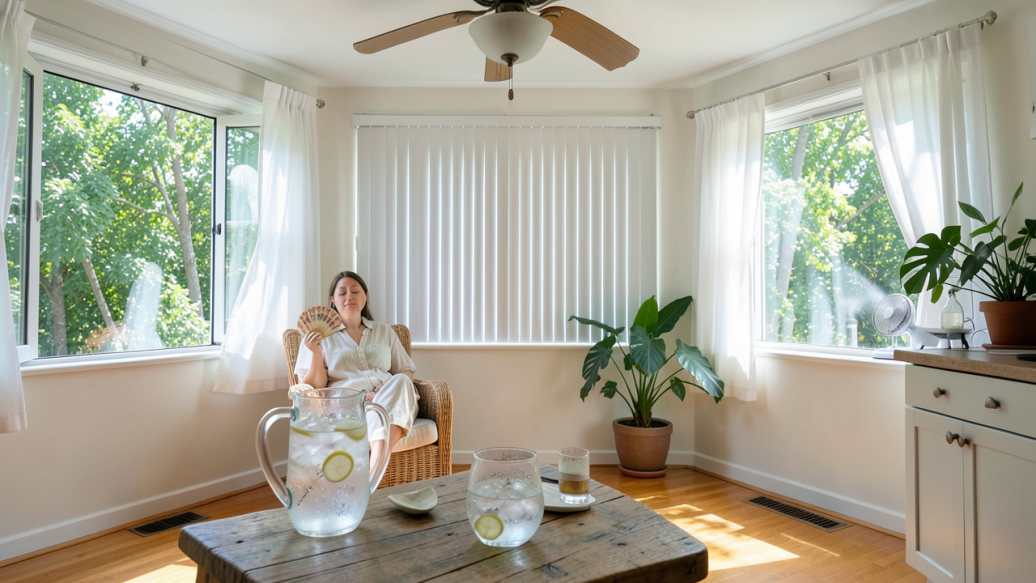
Beyond physical changes to your home, adopting certain daily habits can also contribute significantly to keeping your living space cool. These are simple adjustments that require little effort but can have a noticeable impact.
Reducing Personal Heat Production
Think about what you do that generates heat. Even small actions can add up.
- Minimize Hot Drinks: While tempting on a hot day, hot beverages add internal heat. Stick to cool or cold drinks.
- Wear Light Clothing: Opt for loose-fitting, light-colored clothing made from natural fabrics like cotton or linen.
- Stay Hydrated: Drinking plenty of water helps your body regulate its temperature more efficiently.
These personal adjustments help your body cope better with the heat, making your environment feel more comfortable.
Creating Personal Cooling Zones
You don’t necessarily need to cool the entire house. Focus on the areas where you spend the most time.
- Close Off Unused Rooms: Keep doors closed to rooms you aren’t using. This concentrates any cooling efforts on the areas you need to be comfortable.
- Use Damp Cloths: Place a cool, damp cloth on your neck or forehead for instant relief.
- Cool Foot Baths: Soaking your feet in cool water can help lower your overall body temperature.
By focusing your cooling efforts, you can stay comfortable without trying to cool spaces that don’t need it.
Frequently Asked Questions Of How To Cool A Hot House Without Ac: 9 Proven Tips
Question: What is the best time to open windows for cooling?
Answer: The best time to open windows is during the early morning and late evening when the outside air is coolest. During the hottest part of the day, it’s best to close windows to keep the heat out.
Question: Can plants really cool my house?
Answer: Yes, plants can help cool your house through a process called transpiration, where they release water vapor. They also provide shade, which reduces heat absorption from the sun.
Question: How do fans cool a room?
Answer: Fans don’t lower the air temperature itself. Instead, they create a wind chill effect by moving air across your skin, which helps to evaporate sweat and makes you feel cooler.
Question: Is it better to use curtains or blinds to block the sun?
Answer: Both are helpful, but blackout curtains and blinds that can be angled to reflect light upwards are very effective. Blocking the sun before it hits the window, with awnings, is even more so.
Question: How often should I check my attic for heat?
Answer: It’s a good idea to check your attic’s ventilation and insulation at least once a year, perhaps in the spring before the hot weather starts, to ensure it’s working effectively.
Final Thoughts
Staying cool without AC is entirely possible with these simple, proven tips. By using natural airflow, blocking the sun, and managing heat sources, you can make your home much more comfortable. Try these methods to beat the heat and enjoy a cooler living space.