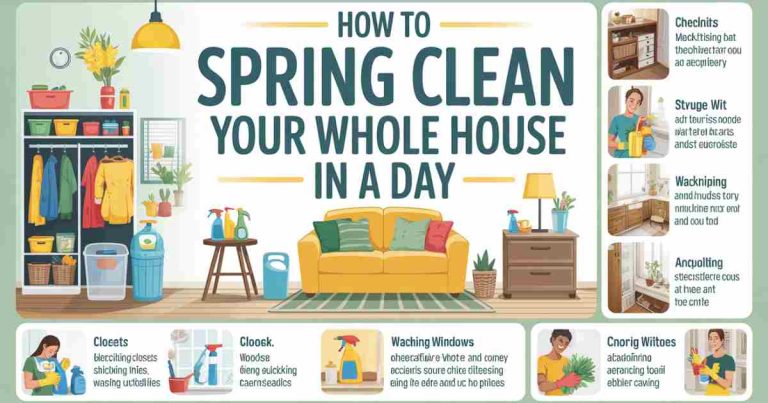
How To Do A Deep Spring Clean Room By Room
A deep spring clean room by room means cleaning each space fully before moving on. Start with decluttering, then dust high surfaces, wipe furniture, clean windows, sanitize touchpoints, vacuum upholstery, and mop floors.
In kitchens and bathrooms, focus on grease, limescale, drains, grout, and odours. This method keeps the job organized and prevents missed areas.
Getting started with How to Do a Deep Spring Clean Room by Room can feel like a big task, especially if you’re new to it. It’s easy to look at a messy room and not know where to begin. But don’t worry!
We’ll make it super simple with easy steps you can follow. First, we’ll cover the basics of getting ready, then we’ll look at how to tackle each part of your home, and finally, we’ll share some tips to keep it clean.
Key Takeaways
- You will learn the best way to prepare for a big cleaning project.
- We will guide you through cleaning each room step by step.
- You’ll discover smart ways to organize and declutter your home.
- Simple methods will be shared to help maintain cleanliness.
- You will feel confident and ready to tackle any cleaning challenge.
Getting Ready for Your Big Clean
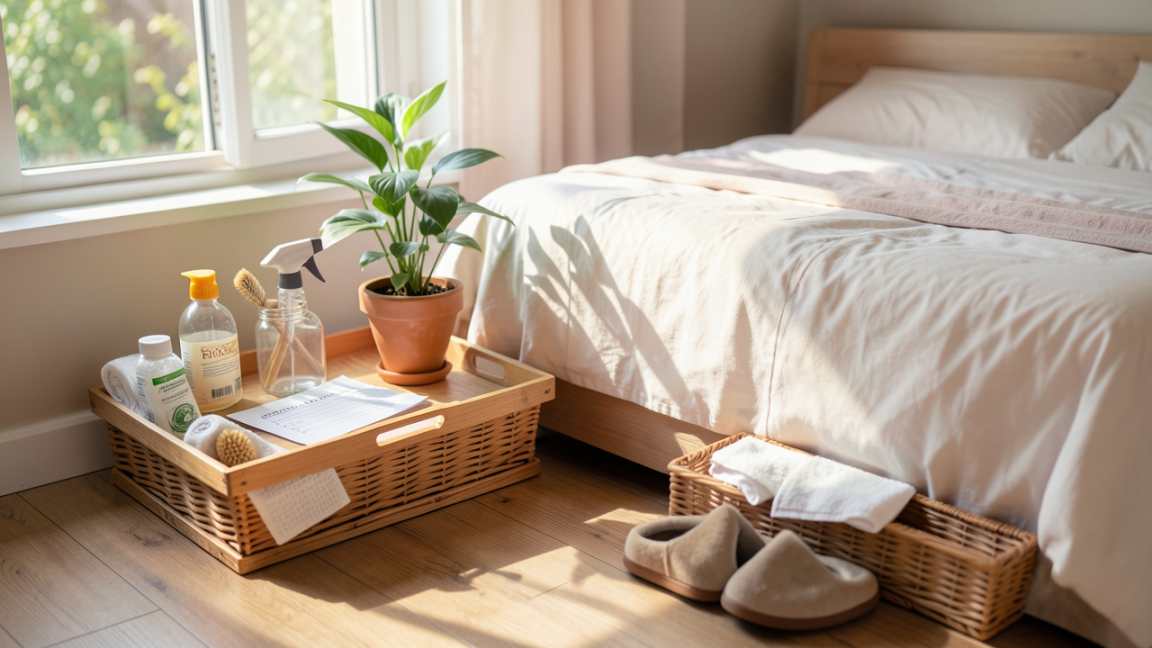
Before you start scrubbing, a little bit of planning goes a long way. This part is all about setting yourself up for success. We’ll talk about gathering your cleaning supplies and making a simple plan.
This helps you avoid feeling overwhelmed and makes the whole process smoother. Think of it as packing for a trip; you wouldn’t just show up without your essentials, right?
Gathering Your Cleaning Tools
Having the right tools makes cleaning much easier and faster. You don’t need fancy gadgets, just the basics. Having everything in one place means you won’t waste time searching for a sponge or spray when you need it.
- All-Purpose Cleaner: This is your go-to for most surfaces. It works on countertops, tables, and even some walls.
- Glass Cleaner: For sparkling windows, mirrors, and glass tables.
- Bathroom Cleaner: Stronger for tough soap scum and grime in the shower and sink.
- Floor Cleaner: Pick one suitable for your floor type, like wood, tile, or laminate.
- Microfiber Cloths: These are great because they grab dust and dirt well and don’t leave lint.
- Sponges and Scrub Brushes: For scrubbing tougher spots.
- Vacuum Cleaner: Essential for carpets and floors.
- Mop and Bucket: For cleaning hard floors.
- Trash Bags: You’ll need plenty of these for all the clutter you’ll find.
- Gloves: To protect your hands from cleaning chemicals.
Using good cleaning cloths, like microfiber, can make a big difference. They are soft, absorb well, and pick up more dust than old rags. This means less scrubbing for you and a cleaner finish.
For instance, when cleaning a dusty bookshelf, a microfiber cloth will trap the dust, preventing it from just moving around. A good vacuum with different attachments is also key for getting into corners and cleaning upholstery.
Making a Simple Cleaning Plan
A plan keeps you focused. You don’t need a complicated schedule. Just decide which rooms you’ll tackle and when.
This breaks down the big job into smaller, manageable parts. It’s like eating an elephant; you do it one bite at a time!
Think about your energy levels too. Maybe do the kitchen one day and the bedrooms the next. Or, tackle one room completely before moving to another.
For many people, it’s easier to focus on one area at a time to feel a sense of accomplishment.
- Room by Room: This is the most common and effective method. Focus on one room until it’s done.
- Task by Task: You could also decide to do all the dusting first, then all the vacuuming. This can be faster for some.
- Weekend Warrior: Dedicate a whole weekend to cleaning.
- Little by Little: Spend 30 minutes each day on a different task.
Having a plan helps you see progress. When you finish a room, you can check it off your list. This feeling of completion is very motivating.
A study by the University of California, Berkeley, found that setting clear goals and tracking progress can increase motivation by up to 30%.
How to Do a Deep Spring Clean Room by Room
Now for the main event! We’ll go through each area of your home. The idea is to start from the top and work your way down, so dirt falls where you can clean it up last.
This makes sure you’re not cleaning the same spot twice.
The Kitchen: Sparkle and Shine
The kitchen is often the heart of the home, and it needs extra attention. Grease and food splatters can build up quickly. We'll cover everything from countertops to the inside of your fridge.Decluttering the Kitchen
First, remove everything from counters and drawers. This might seem like a lot, but it’s the best way to see what you have. Get rid of expired food, old gadgets you don’t use, and anything broken.
A cluttered kitchen makes cooking harder and less enjoyable.
- Empty the Fridge and Pantry: Check expiration dates on all food items. Toss anything that’s past its prime or you know you won’t eat.
- Clear Countertops: Put away appliances you don’t use daily. Find a home for spice racks and utensil holders.
- Organize Drawers and Cabinets: Group similar items together. Use small containers or dividers if needed.
When decluttering your pantry, group items by type: baking supplies, canned goods, snacks. This makes it easier to find what you need and know when you’re running low. For example, group all your pasta and rice together.
Similarly, for drawers, put all your cutlery in one section and cooking utensils in another. This reduces searching time significantly.
Cleaning Surfaces
Now, it’s time to clean all those surfaces you cleared. Start with the highest points and work down.
- Wipe Down Cabinets: Use a damp cloth with a little all-purpose cleaner. For greasy cabinets, a degreaser might be needed.
- Clean Countertops: Spray with your all-purpose cleaner and wipe thoroughly. Make sure to clean around the sink and faucet.
- Scrub the Sink: Use a good sink cleaner or baking soda paste for tough stains. Rinse well.
- Clean the Stovetop and Oven: Remove grates and clean them separately. For the oven, you might need a special oven cleaner if it’s very dirty.
Cleaning the stovetop can be a chore, especially if there are burnt-on messes. For baked-on food, you can try letting it soak with hot water and dish soap for a bit before scrubbing. Some modern ovens have a self-cleaning function, which uses high heat to burn off residue.
Always follow the manufacturer’s instructions for using these features safely.
Floors and Appliances
Don’t forget the floor and appliances!
- Clean the Microwave: Heat a bowl of water with lemon slices for a few minutes. The steam will loosen grime, making it easy to wipe away.
- Wipe Down Large Appliances: Clean the outside of your refrigerator, dishwasher, and any other large appliances.
- Wash the Floor: Sweep or vacuum first, then mop with your chosen floor cleaner.
A clean microwave makes a big difference. Instead of scrubbing, the steam method loosens food particles. Just microwave a bowl of water with a few lemon slices for 5 minutes.
Let it sit for another 5 minutes, then wipe clean. This is a simple trick that really works.
The Bathroom: Fresh and Hygienic
Bathrooms need regular cleaning to stay hygienic. We'll tackle grime, soap scum, and mildew to make your bathroom feel like a spa.
Decluttering the Bathroom
Clear out your cabinets and drawers. Get rid of old makeup, expired medicines, and nearly empty product bottles. Organize what’s left so everything has its place.
- Empty Medicine Cabinet: Check expiration dates on all medications and dispose of them safely.
- Sort Toiletries: Toss old or unused items. Group similar products like hair products, skincare, and makeup.
- Clear Shower and Tub Area: Remove all bottles and accessories.
Expired medications can be dangerous. Many pharmacies offer take-back programs for old drugs. For other expired items, check local guidelines for proper disposal to protect the environment.
Organize your remaining toiletries in drawers or on shelves using small bins or trays to keep them tidy.
Cleaning Fixtures and Surfaces
This is where the real cleaning happens. Use specific cleaners for tough bathroom messes.
- Clean the Toilet: Apply toilet bowl cleaner and let it sit. Scrub inside the bowl, then flush. Wipe down the outside with a disinfectant spray.
- Scrub the Shower/Tub: Use a strong bathroom cleaner for soap scum and mildew. Let it sit for a few minutes before scrubbing. Rinse thoroughly.
- Clean the Sink and Vanity: Wipe down countertops and the sink. Polish faucets to a shine.
- Wash Mirrors and Glass: Use glass cleaner for a streak-free finish.
Tackling soap scum and mildew in the shower requires a good cleaner and some elbow grease. For stubborn spots, you can make a paste of baking soda and water or vinegar. Let it sit on the affected area for about 15-20 minutes, then scrub with a brush.
This natural approach can be very effective.
Floors and Finishing Touches
The floor and those little details matter.
- Wash the Floor: Sweep or vacuum first to pick up hair and debris. Then mop with a disinfectant floor cleaner.
- Wash Bath Mats and Shower Curtains: Check care labels and wash them as directed. A clean shower curtain makes a big difference.
- Clean the Fan Vent: Dust or vacuum the bathroom fan cover to improve air quality.
Don’t forget to wash your bath mats and shower curtain. These can hold a lot of moisture and germs. Many fabric shower curtains can be machine washed.
Regularly cleaning these items helps prevent mildew and keeps your bathroom smelling fresh. A clean fan vent can also help reduce moisture buildup in the air.
The Bedroom: A Peaceful Retreat
Your bedroom should be a place of rest. We’ll help you clear out clutter and make it feel fresh and inviting.
Decluttering Your Bedroom
Go through clothes, books, and anything else that has piled up. Donate or discard items you no longer need or love. A tidy room promotes better sleep.
- Sort Through Clothes: Try on clothes. If they don’t fit or you haven’t worn them in a year, consider donating them.
- Clear Nightstands and Dressers: Get rid of old magazines, papers, and knick-knacks you don’t need.
- Organize Under the Bed: If you store items there, make sure they are in containers and easy to access.
The “one-year rule” for clothes is a popular decluttering strategy. If you haven’t worn an item in a year, it’s likely time to let it go. This applies to shoes and accessories too.
Sorting through these items regularly can prevent closets from overflowing and make choosing outfits easier each day.
Cleaning and Refreshing
Now, let’s clean all the surfaces and refresh the space.
- Wash Bedding: Strip all bedding – sheets, pillowcases, duvet covers, and wash them. This is a great chance to wash your pillows and duvets too if they are washable.
- Dust Surfaces: Dust your headboard, nightstands, dressers, and any other furniture. Don’t forget light fixtures and ceiling fans.
- Clean Windows and Mirrors: Make sure your windows are clean for maximum light.
- Vacuum or Mop Floors: Pay attention to under the bed and in corners.
Washing your bedding is one of the easiest ways to make your bedroom feel instantly cleaner and fresher. Consider using a gentle detergent that is kind to your skin, especially if you have allergies. Clean windows let in more natural light, which can make the room feel larger and more cheerful.
This is especially noticeable on a bright spring morning.
Organizing Your Closet
A well-organized closet makes getting dressed so much easier. Group clothes by type or color. Use organizers for shoes and accessories.
- Categorize Clothes: Group shirts together, then pants, dresses, etc.
- Fold or Hang Properly: Ensure clothes are folded neatly or hung on matching hangers.
- Utilize Space: Use shelves, drawers, or hanging organizers to make the most of your closet space.
Using matching hangers can create a streamlined look in your closet. It also helps clothes hang better and prevents them from slipping off. Consider using shelf dividers or drawer organizers to keep smaller items like socks and underwear tidy.
This creates a more visually appealing and functional space.
The Living Room and Common Areas: Welcoming Spaces
These areas are where you relax and entertain. We’ll make sure they are spotless and inviting.
Decluttering Common Areas
Clear out clutter from coffee tables, entertainment centers, and shelves. Sort through mail, magazines, and decorative items.
- Tidy Up Surfaces: Remove anything that doesn’t belong. Put items back in their proper place.
- Organize Media: Sort through DVDs, books, and video games. Keep what you use and enjoy.
- Declutter Shelves: Remove unnecessary items from bookshelves and decorative shelves.
Mail and paperwork can quickly pile up. Set up a system for dealing with mail as soon as it comes in. This could be a simple inbox for incoming mail and a filing system for important documents.
Keeping these surfaces clear makes the whole room feel tidier.
Cleaning and Refreshing
Deep clean all surfaces and refresh the air in these social spaces.
- Dust All Surfaces: Dust furniture, shelves, electronics, and decorative items. Use appropriate cleaners for different materials.
- Clean Upholstery: Vacuum sofas and chairs. For fabric stains, use a fabric cleaner. Consider steam cleaning if needed.
- Wash Windows and Blinds: Clean windows for a clear view. Dust or wipe down blinds.
- Vacuum or Mop Floors: Clean all floor areas thoroughly.
When cleaning upholstery, always test any cleaning product on an inconspicuous area first. This prevents accidental discoloration or damage. For deep cleaning, renting a carpet or upholstery cleaner can be effective.
Many people find that a good vacuuming of sofas and chairs removes hidden dust and allergens.
Entertainment Centers and Electronics
These areas can collect a lot of dust. Take care when cleaning electronics.
- Dust Electronics: Use a dry microfiber cloth or a specialized electronic cleaner for screens.
- Organize Cords: Use cable ties or organizers to keep cords tidy and prevent tangles.
- Clean Remotes: Wipe down remotes with a disinfectant wipe.
Cleaning electronic devices requires care. Always unplug devices before cleaning. For screens, use a soft, dry microfiber cloth.
For more stubborn marks, a screen cleaner made for electronics is best. Never spray liquid directly onto the device. Keeping cords organized not only looks neater but also prevents them from becoming a tripping hazard.
The Entryway and Hallways: First Impressions
These are the first areas guests see. Keeping them clean and organized makes a great impression.
Decluttering Entryways
Clear out shoes, coats, bags, and mail that tend to pile up here.
- Organize Shoes: Use a shoe rack or a designated bin.
- Hang Coats and Bags: Ensure hooks are available and used for outerwear.
- Manage Mail: Have a system for sorting mail immediately.
A cluttered entryway can make your home feel messy from the moment someone walks in. Invest in a good coat rack and a shoe organizer to keep things tidy. If you have a small entryway, consider vertical storage solutions to maximize space.
Cleaning and Refreshing Hallways
These areas get a lot of foot traffic, so they need regular attention.
- Wipe Down Walls: Clean scuff marks from walls, especially near light switches and doorways.
- Clean Floors: Vacuum or mop hallway floors.
- Dust or Polish Furniture: If you have a console table or other furniture, dust it and polish if needed.
Walls can get dingy from everyday use. A damp cloth with a mild cleaner can often remove scuff marks. Pay attention to the areas around light switches, as these can get particularly dirty.
For a fresh scent, you can place a small vase of flowers or a subtle air freshener in a hallway.

Maintaining Your Clean Home
Once you've done a deep clean, the trick is to keep it that way. This isn't about doing another big clean, but about daily habits that prevent mess from building up again. This makes your next big spring clean much easier!Daily Habits for a Tidy Home
Small tasks done every day make a huge difference.
- Make Your Bed: It takes only a couple of minutes and makes your bedroom look instantly tidy.
- Wipe Down Kitchen Counters: After cooking and eating, quickly wipe down counters.
- Do the Dishes: Wash dishes or load the dishwasher right after meals.
- Quick Tidy-Up: Spend 10-15 minutes each evening putting things back in their place.
These small habits are powerful. Making your bed each morning sets a positive tone for the day. Clearing kitchen surfaces after meals prevents grease and crumbs from accumulating.
A short evening tidy-up ensures you wake up to a more organized space. This prevents small messes from turning into big cleaning projects.
Weekly Cleaning Routine
A weekly routine helps maintain cleanliness without feeling overwhelming.
- Vacuum or Mop Floors: Do this once a week for all main living areas.
- Clean Bathrooms: A quick wipe-down of sinks, toilets, and mirrors.
- Dust Surfaces: A light dusting of main furniture surfaces.
- Empty Trash and Recycling: Ensure bins are emptied regularly.
A weekly routine acts as a maintenance schedule. It targets areas that get the most use and prevents dirt from becoming deeply ingrained. For example, a weekly vacuum of high-traffic areas in the living room can keep dust levels down.
Similarly, quickly cleaning the bathroom sink daily or every other day prevents toothpaste and soap residue buildup.
Seasonal Deep Cleans
Even with daily and weekly habits, a more thorough clean every few months is beneficial. This is where the “spring clean” idea comes from. It’s a chance to tackle things you might not do weekly.
- Clean Windows and Blinds: Wash windows inside and out. Clean blinds.
- Wash Curtains and Rugs: Clean washable curtains and area rugs.
- Organize Closets: Go through clothes and seasonal items.
- Clean Out the Fridge and Freezer: Discard old items and wipe down shelves.
Washing curtains and rugs can refresh your home’s atmosphere. They can trap a lot of dust and allergens over time. Many modern washing machines can handle most curtains and smaller rugs.
Always check the care labels first. This deeper clean ensures that no area of your home is neglected.
Frequently Asked Questions Of How To Do A Deep Spring Clean Room By Room
Question: How often should I do a deep spring clean?
Answer: A deep spring clean can be done once a year, typically in the spring. However, you can do a similar deep clean in the fall as well. The key is to have regular, lighter cleaning habits in between.
Question: What if I don’t have much time for cleaning?
Answer: If time is short, focus on one room at a time or break tasks down into smaller chunks. Even 20-30 minutes a day can make a big difference over time. Prioritize the areas that bother you the most.
Question: How can I declutter effectively?
Answer: Start small with one drawer or shelf. Ask yourself if you’ve used an item in the last year. If not, consider donating or discarding it.
Having a designated donation box helps.
Question: What is the best way to clean my oven?
Answer: Many modern ovens have a self-cleaning feature that uses high heat. For older ovens or for a more natural approach, you can use a paste of baking soda and water, let it sit overnight, then scrub and wipe clean.
Question: How can I keep my floors clean longer?
Answer: Use doormats at all entrances to catch dirt. Have a policy of taking shoes off at the door. Regularly sweeping or vacuuming high-traffic areas will also help prevent dirt from spreading.
Final Thoughts
Tackling How to Do a Deep Spring Clean Room by Room is achievable. By preparing with the right tools and a simple plan, you can make each room sparkle. Focusing on decluttering first, then cleaning from top to bottom, ensures a thorough job.
Daily and weekly habits will keep your home fresh, making future cleans much easier.